
Origin &
Terroir.
Tea is a conversation between the land and the hand. We trace every leaf back to its heritage garden, soil, and altitude.
Heritage Discovery
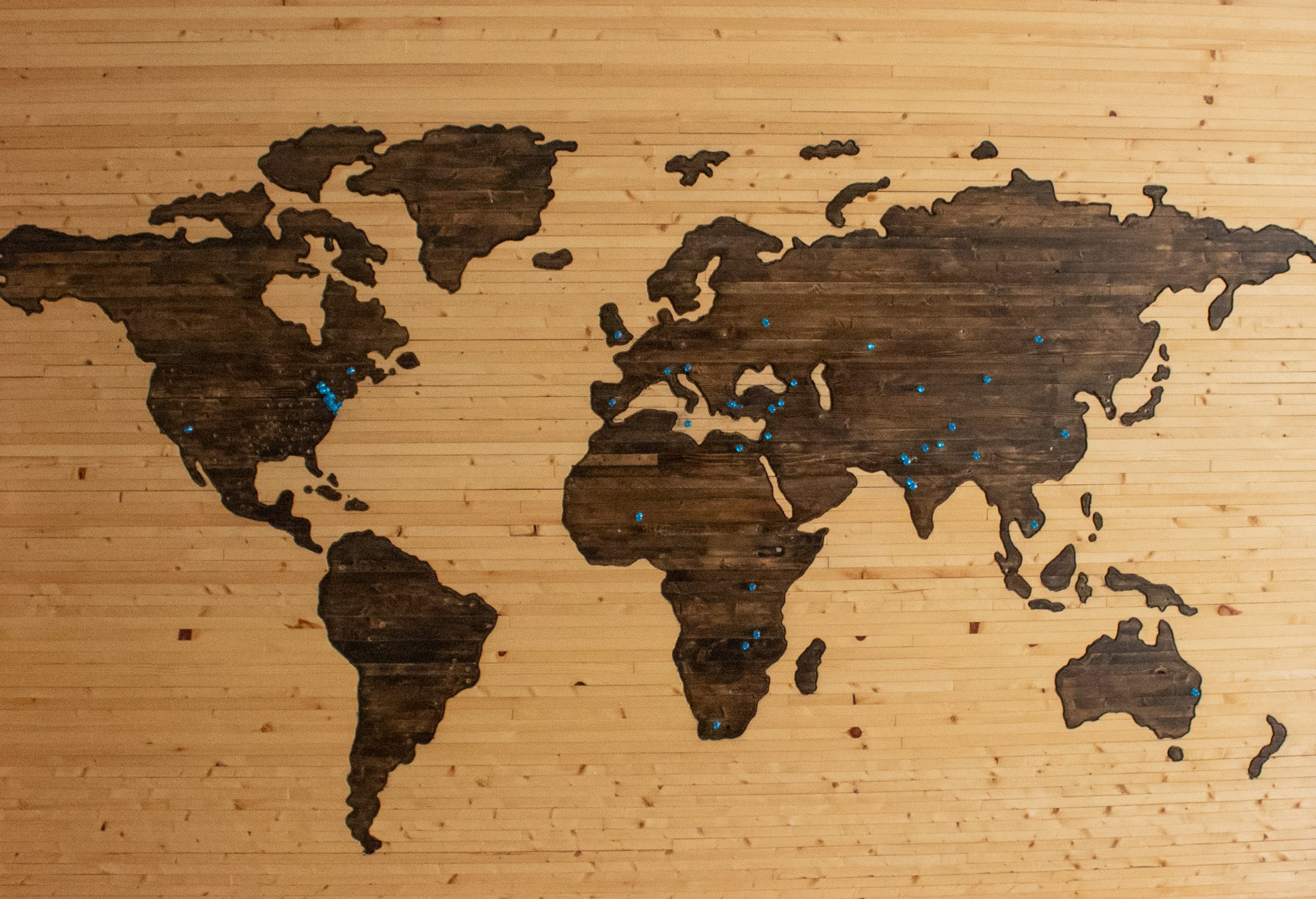
Global Tea Origins.
Wuyi Mountains
"Known for its unique 'Yan Yun' or rock rhyme, the mineral-rich rocky soil and constant mist of the Wuyi cliffs produce teas with unmatched depth and roasted complexity."
Altitude
800m - 1200m
Specialty
Rock Oolong (Yancha)
Soil Profile
Mineral-rich volcanic rock, gravelly loam
Climate
Humid subtropical, year-round mist
Our Sourcing Regions
Wuyi Mountains, China
Known for its unique 'Yan Yun' or rock rhyme, the mineral-rich rocky soil and constant mist of the Wuyi cliffs produce teas with unmatched depth and roasted complexity.
Specialty: Rock Oolong (Yancha)
Terroir: Mineral-rich volcanic rock, gravelly loam, 800m - 1200m
Hangzhou, China
Home to China's most famous green tea. The West Lake microclimate and hand-firing techniques create a nutty, chestnut-like flavor profile that is prized worldwide.
Specialty: Longjing (Dragon Well)
Terroir: Acidic red soil, rich in phosphorus, 100m - 500m
Anxi, China
The birthplace of Tie Guan Yin. Anxi's misty hills and long oolong-making tradition produce teas with orchid aroma, creamy texture, and layered floral sweetness.
Specialty: Tie Guan Yin Oolong
Terroir: Acidic red and yellow mountain soils, 500m - 1200m
Fuding, China
One of China's most important white tea origins. Fuding is famous for Silver Needle and White Peony teas with soft florals, hay-like sweetness, and delicate texture.
Specialty: White Tea
Terroir: Mountain red soil with good drainage, 500m - 1000m
Qimen, China
The home of Keemun, one of China's classic black teas. Qimen teas are known for smooth body, gentle smoke, fruit, orchid-like aroma, and refined sweetness.
Specialty: Keemun Black Tea
Terroir: Red-yellow mountain soil rich in minerals, 300m - 800m
Huangshan, China
A mountain region famous for elegant green teas. Huangshan's mist, granite peaks, and cool spring conditions create teas with floral freshness and soft chestnut sweetness.
Specialty: Maofeng
Terroir: Mountain yellow soil, granite-influenced, well-drained, 500m - 1200m
Fenghuang Mountain, China
A legendary oolong region known for single-bush Dan Cong teas. These teas are prized for naturally expressive aromas such as honey, orchid, almond, peach, and magnolia.
Specialty: Dan Cong Oolong
Terroir: Rocky mountain soil with strong drainage, 700m - 1500m
Yunnan, China
Home to the world's oldest tea trees. High biodiversity and red clay soils produce powerful, fermented teas that age for decades.
Specialty: Ancient Tree Pu-erh
Terroir: Red clay, rich in iron and minerals, 1200m - 2400m
Shizuoka, Japan
Japan's largest tea-producing region, benefiting from the nutrient-rich volcanic soil of Mt. Fuji and coastal breezes that temper the morning frost.
Specialty: Sencha & Gyokuro
Terroir: Volcanic ash, alluvial deposits, 200m - 600m
Yame, Japan
One of Japan's most prestigious regions for shaded tea. Yame is especially famous for rich gyokuro with deep umami, smooth body, and elegant sweetness.
Specialty: Gyokuro & Premium Matcha
Terroir: Fertile loam with good drainage and high organic matter, 100m - 600m
Uji, Japan
The birthplace of Japanese tea culture. The foggy river valleys and acidic soil create the ideal conditions for shade-grown teas with intense umami.
Specialty: Ceremonial Matcha
Terroir: Sandy loam, rich in organic matter, 100m - 300m
Darjeeling, India
High-altitude Himalayan gardens. The steep slopes and unique weather patterns result in the distinct muscatel flavor of Darjeeling black teas.
Specialty: Champagne of Teas
Terroir: Forest litter, acidic mountain soil, 1000m - 2000m
Assam Valley, India
The world's largest contiguous tea-growing region. Low-altitude, high-heat, and intense humidity produce the bold, malty character synonymous with classic breakfast teas.
Specialty: Malty Black Teas
Terroir: Deep alluvial silt, rich and clay-heavy, 45m - 60m
Nilgiri, India
A high-altitude South Indian tea region producing fragrant, smooth, and bright teas. Nilgiri teas are often excellent for iced tea due to their clarity and brisk finish.
Specialty: Fragrant Black Tea
Terroir: Mountain loam with lateritic and clay components, 1000m - 2500m
Nuwara Eliya, Sri Lanka
Sri Lanka's highest tea region, producing bright, delicate, and fragrant teas. Nuwara Eliya teas often show floral, citrus, and brisk mountain character.
Specialty: High-Grown Ceylon Tea
Terroir: Highland red-yellow soil with good drainage, 1800m - 2200m
Ilam, Nepal
Nepal's best-known tea region, producing aromatic Himalayan teas often compared with Darjeeling. Ilam teas can be floral, crisp, and elegant.
Specialty: Himalayan Orthodox Tea
Terroir: Acidic mountain soil rich in organic matter, 1000m - 2000m
Kericho, Kenya
One of Africa's most important tea regions. Kericho's equatorial highlands produce brisk, colourful black teas widely used in breakfast blends.
Specialty: Bright Black Tea
Terroir: Deep red volcanic soil, iron-rich and fertile, 1800m - 2200m
Nile Valley, Egypt
Egypt is one of the world's key chamomile origins. The dry climate and Nile irrigation support aromatic golden flowers with a sweet, apple-like fragrance.
Specialty: Chamomile & Hibiscus
Terroir: Alluvial Nile silt, fertile and mineral-rich, Sea Level - 100m
Rose Valley, Bulgaria
A historic floral-growing valley between mountain ranges. It is known for Rosa damascena and increasingly for lavender with rich, honeyed aroma.
Specialty: Lavender & Rose
Terroir: Sandy mountain soil with good drainage, 300m - 700m
Cederberg, South Africa
The only natural home of rooibos. The dry mountain climate and acidic sandstone soils create the needle-like leaves used for naturally caffeine-free rooibos infusions.
Specialty: Rooibos
Terroir: Coarse acidic sandstone soil, 400m - 900m
Misiones, Argentina
Argentina's red-soil yerba mate heartland. Misiones produces grassy, energising mate with strong cultural importance across South America.
Specialty: Yerba Mate
Terroir: Red lateritic soil rich in iron, 200m - 500m
Technical Index
Origin Directory.
A comprehensive, structured index of every heritage garden and botanical origin in our catalog, organized by global zone and terroir profile.
East Asia
11 Technical Origins
East Asia
11 Technical OriginsWuyi Mountains
"Known for its unique 'Yan Yun' or rock rhyme, the mineral-rich rocky soil and constant mist of the Wuyi cliffs produce teas with unmatched depth and roasted complexity."
Hangzhou
"Home to China's most famous green tea. The West Lake microclimate and hand-firing techniques create a nutty, chestnut-like flavor profile that is prized worldwide."
Anxi
"The birthplace of Tie Guan Yin. Anxi's misty hills and long oolong-making tradition produce teas with orchid aroma, creamy texture, and layered floral sweetness."
Fuding
"One of China's most important white tea origins. Fuding is famous for Silver Needle and White Peony teas with soft florals, hay-like sweetness, and delicate texture."
Qimen
"The home of Keemun, one of China's classic black teas. Qimen teas are known for smooth body, gentle smoke, fruit, orchid-like aroma, and refined sweetness."
Huangshan
"A mountain region famous for elegant green teas. Huangshan's mist, granite peaks, and cool spring conditions create teas with floral freshness and soft chestnut sweetness."
Fenghuang Mountain
"A legendary oolong region known for single-bush Dan Cong teas. These teas are prized for naturally expressive aromas such as honey, orchid, almond, peach, and magnolia."
Yunnan
"Home to the world's oldest tea trees. High biodiversity and red clay soils produce powerful, fermented teas that age for decades."
Shizuoka
"Japan's largest tea-producing region, benefiting from the nutrient-rich volcanic soil of Mt. Fuji and coastal breezes that temper the morning frost."
Yame
"One of Japan's most prestigious regions for shaded tea. Yame is especially famous for rich gyokuro with deep umami, smooth body, and elegant sweetness."
Uji
"The birthplace of Japanese tea culture. The foggy river valleys and acidic soil create the ideal conditions for shade-grown teas with intense umami."
South Asia
5 Technical Origins
South Asia
5 Technical OriginsDarjeeling
"High-altitude Himalayan gardens. The steep slopes and unique weather patterns result in the distinct muscatel flavor of Darjeeling black teas."
Assam Valley
"The world's largest contiguous tea-growing region. Low-altitude, high-heat, and intense humidity produce the bold, malty character synonymous with classic breakfast teas."
Nilgiri
"A high-altitude South Indian tea region producing fragrant, smooth, and bright teas. Nilgiri teas are often excellent for iced tea due to their clarity and brisk finish."
Nuwara Eliya
"Sri Lanka's highest tea region, producing bright, delicate, and fragrant teas. Nuwara Eliya teas often show floral, citrus, and brisk mountain character."
Ilam
"Nepal's best-known tea region, producing aromatic Himalayan teas often compared with Darjeeling. Ilam teas can be floral, crisp, and elegant."
Africa & Middle East
3 Technical Origins
Africa & Middle East
3 Technical OriginsKericho
"One of Africa's most important tea regions. Kericho's equatorial highlands produce brisk, colourful black teas widely used in breakfast blends."
Nile Valley
"Egypt is one of the world's key chamomile origins. The dry climate and Nile irrigation support aromatic golden flowers with a sweet, apple-like fragrance."
Cederberg
"The only natural home of rooibos. The dry mountain climate and acidic sandstone soils create the needle-like leaves used for naturally caffeine-free rooibos infusions."
Europe
1 Technical Origins
Europe
1 Technical OriginsRose Valley
"A historic floral-growing valley between mountain ranges. It is known for Rosa damascena and increasingly for lavender with rich, honeyed aroma."
South America
1 Technical Origins
South America
1 Technical OriginsMisiones
"Argentina's red-soil yerba mate heartland. Misiones produces grassy, energising mate with strong cultural importance across South America."
Temporal Extraction
The Harvest Cycle.
Timing is everything. From the first tender buds of spring to the roasted depth of winter-aged leaves.
Pre-Qingming (Early Spring)
"The most prized harvest. Extremely tender buds, low bitterness, and unparalleled sweetness."
Maximum L-theanine, low catechins.
First Flush
"Vibrant, floral, and highly aromatic. Captures the essence of the awakening mountain."
High caffeine, high L-theanine balance.
Second Flush
"Bold and succulent. Sunlight increases, developing deeper fruit notes like muscatel and stone fruit."
Increased polyphenols and tannins.
Monsoon (Summer)
"Rapid growth due to heavy rain. Produces robust, high-strength teas ideal for breakfast blends."
High catechins, strong antioxidant profile.
Autumnal Flush
"Mellow, woody, and honey-like. The leaves reflect the cooling air with a sweet, grounding finish."
Balanced tannins, high mineral retention.
Winter / Frost
"Rare 'Dong Pian' harvests. Cold stress causes the plant to concentrate sugars, creating a creamy mouthfeel."
High sugar concentration, low astringency.
Ethical Protocol
Direct Trade.
Direct Impact.
"We bypass the industrial auctions. By working directly with heritage gardens and small-batch producers, we ensure that 100% of the value remains with the farmers who preserve these ancient techniques."
- No intermediary brokers or auction houses.
- Verified high-altitude heritage gardens.
- Small-batch production for maximum freshness.
- Sustainable and organic growing practices.

"A great tea is not made; it is grown. Our role is simply to protect its integrity from the garden to your cup."
Continue exploring
Follow origin into flavour and impact
Sourcing pages should connect directly to the catalogue, brewing method, and the people-and-planet story behind the brand.
Collections
Browse by tea type
Compare black, green, oolong, rooibos, herbal, and matcha collections by origin and processing style.
Technique
Brewing guides by origin
Use temperature and steeping protocols to protect the character of delicate and high-altitude leaves.
Impact
Things we do for the planet
Connect sourcing standards to Muave's wider environmental commitments and lower-waste decisions.
The leaf is only
the beginning.
Apply technical precision to your daily ritual. Discover how to unlock the full potential of these heritage leaves.